
14
Dec
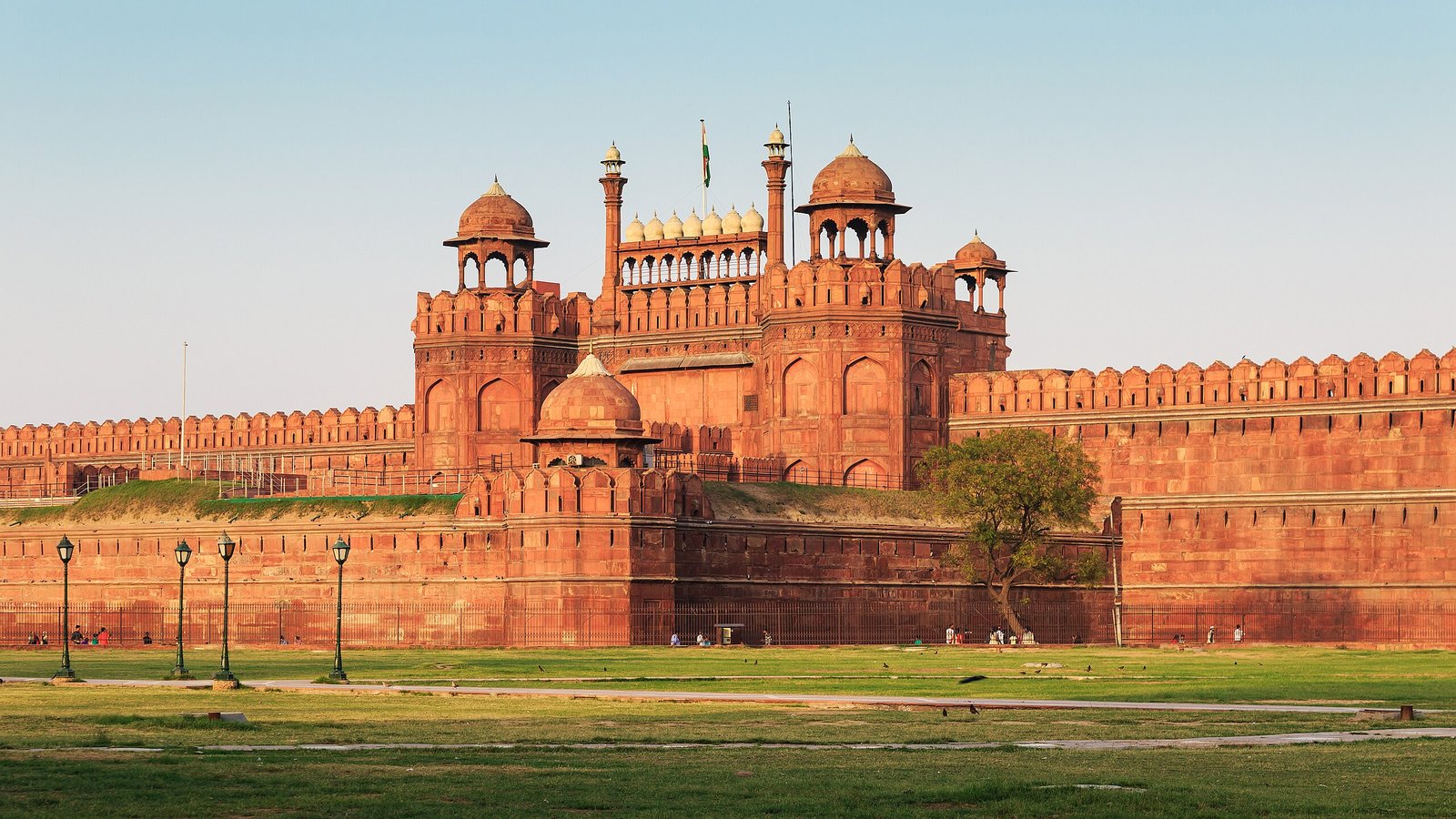
The Red Fort of Delhi, a UNESCO World Heritage Site, is widely known as a symbol of India’s power, pride, and independence. Built in 1648 by Mughal Emperor Shah Jahan, the fort is admired for its massive red sandstone walls and grand architecture. However, beyond its majestic appearance lies a lesser-known history that continues to shock and intrigue visitors.
One of the most surprising truths about the Red Fort is that it was once far more luxurious than what remains today. Originally known as Qila-e-Mubarak, the fort was adorned with gold-plated ceilings, marble pavilions, silk curtains, and precious gemstones. The famous Peacock Throne, encrusted with diamonds, rubies, and emeralds, once stood inside its halls. When Persian ruler Nadir Shah invaded Delhi in 1739, he looted the fort mercilessly, carrying away treasures worth billions in today’s value. Much of the Red Fort’s original splendor was lost forever.
Another untold chapter is the fort’s role during British colonial rule. After the Revolt of 1857, the British captured the Red Fort, executed Mughal princes, and exiled the last Mughal emperor, Bahadur Shah Zafar, to Burma. Shockingly, the British destroyed nearly 80% of the fort’s inner structures, including gardens and royal residences, to build military barracks. What visitors see today is only a fraction of its original design.
The Red Fort also holds dark stories of imprisonment and trials. During World War II, the British conducted the infamous INA (Indian National Army) trials inside the fort, where officers of Subhas Chandra Bose’s army were prosecuted. These trials ignited massive public outrage and strengthened India’s freedom movement, making the fort a silent witness to revolutionary change.
Another fact that surprises visitors is the hidden network of passages and chambers beneath the fort. These underground tunnels were believed to be used by royal women, guards, and messengers to move secretly during emergencies. Some passages remain sealed or unexplored, adding an air of mystery to the monument.
Environmental damage and neglect have also left lasting scars. Pollution, overcrowding, and time have eroded the fort’s walls and artwork. Restoration efforts continue, but many intricate carvings and paintings have faded beyond repair—an unsettling reminder of how history can be lost if not preserved.
Today, the Red Fort stands not just as a tourist attraction but as a symbol of survival. From royal grandeur and brutal invasions to colonial destruction and the birth of a nation, its walls have witnessed centuries of triumph and tragedy.
The untold history of the Red Fort shocks visitors because it reveals a truth often overlooked: what we admire today is merely a shadow of its glorious past—yet its spirit remains unbroken.