
13
Dec
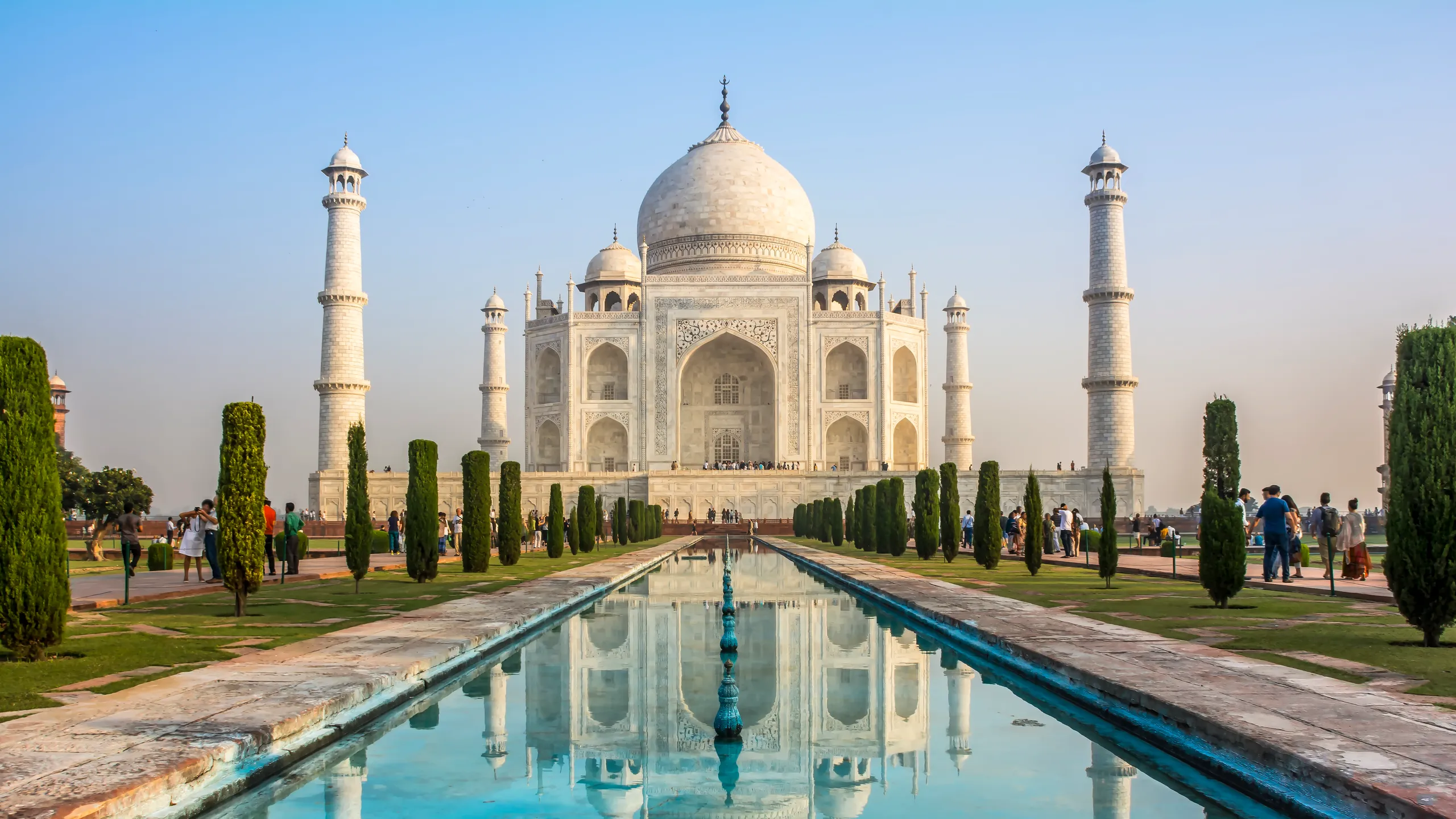
The Taj Mahal, standing gracefully on the banks of the Yamuna River in Agra, is globally celebrated as a symbol of eternal love. Commissioned by Mughal Emperor Shah Jahan in memory of his beloved wife Mumtaz Mahal, this white marble mausoleum attracts millions of visitors each year. However, beyond its breathtaking beauty and romantic legend, the Taj Mahal holds several lesser-known truths that add depth and mystery to its story.
One of the most fascinating aspects of the Taj Mahal is its optical illusion design. As visitors walk through the main gateway, the monument appears to grow larger or smaller depending on their movement. This architectural trick was deliberately planned to create a dramatic visual experience. Similarly, the minarets surrounding the Taj are not perfectly vertical—they tilt slightly outward. This was an intelligent safety measure, ensuring that in the event of an earthquake, the minarets would fall away from the main structure rather than damage it.
Another hidden truth lies in the changing colors of the marble. The Taj Mahal appears pinkish in the morning, dazzling white during the day, and golden under moonlight. This color shift is not just poetic symbolism; it is the result of the marble’s interaction with light and atmospheric conditions. Many believe these changing hues reflect the different moods of Mumtaz Mahal, adding an emotional layer to the monument.
Contrary to popular belief, the Taj Mahal is perfectly symmetrical, except for one detail—the tomb of Shah Jahan. After his death, he was buried beside Mumtaz Mahal, disrupting the original symmetry. This small imbalance subtly reflects how the emperor’s presence altered the harmony of the structure built solely for his wife.
There are also persistent myths and controversies surrounding the Taj Mahal. Some theories suggest it was originally a Hindu temple known as “Tejo Mahalaya,” though historians and archaeological evidence strongly support its Mughal origins. Another legend claims that Shah Jahan ordered the hands of the craftsmen to be cut off to prevent replication of the Taj. However, no historical records confirm this, and it is widely considered a myth.
The Taj Mahal also hides a truth related to environmental challenges. Pollution from nearby industries and vehicles has caused discoloration of the marble over time. To combat this, authorities have implemented strict pollution controls and even apply a special clay treatment to preserve its shine. Additionally, the drying Yamuna River threatens the wooden foundation of the monument, making conservation efforts more critical than ever.
Lastly, few know that the Taj Mahal’s beauty extends beyond what is visible. Several rooms remain sealed to the public, and intricate calligraphy and gemstone inlay work reveal mathematical precision and artistic mastery unmatched even today.
In conclusion, the Taj Mahal is more than just a monument of love—it is a masterpiece of engineering, symbolism, and history. Its hidden truths deepen our appreciation, reminding us that behind its serene façade lies a complex and fascinating legacy.